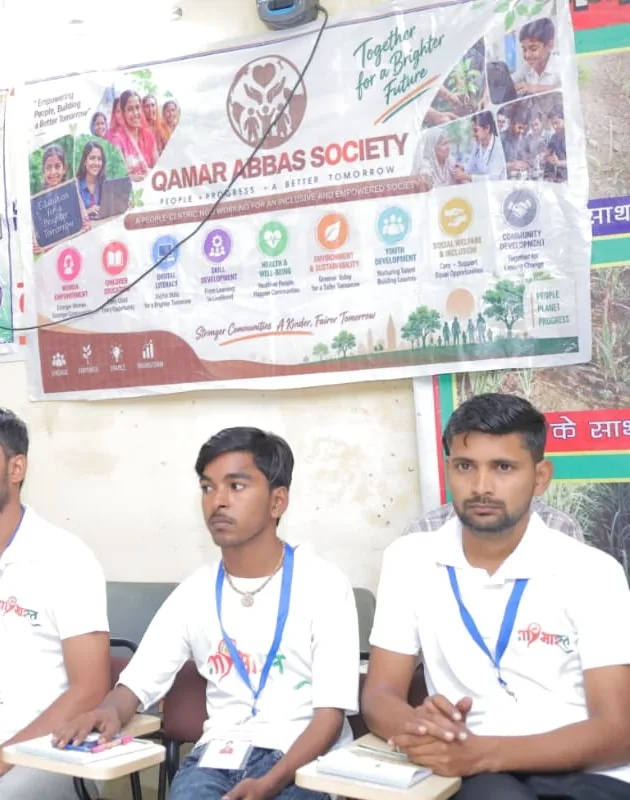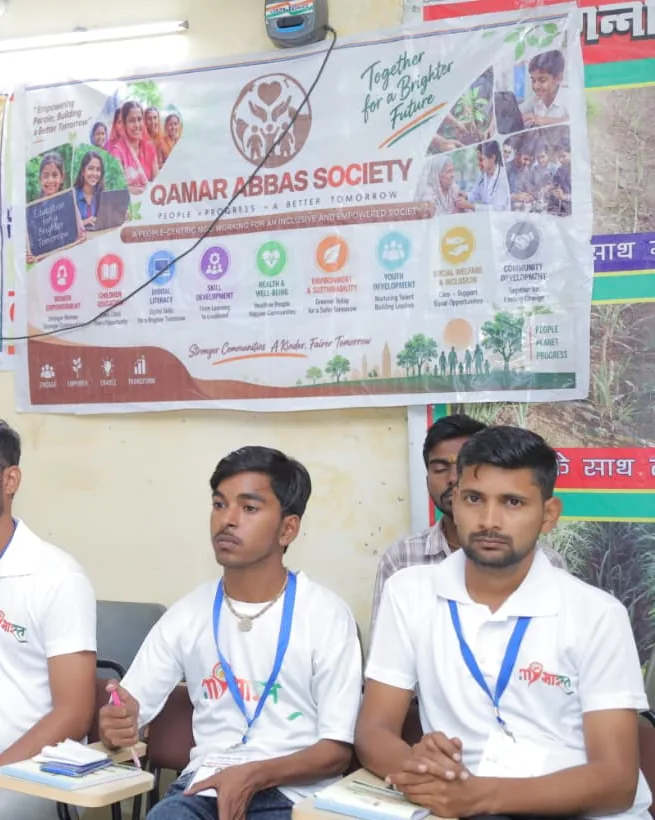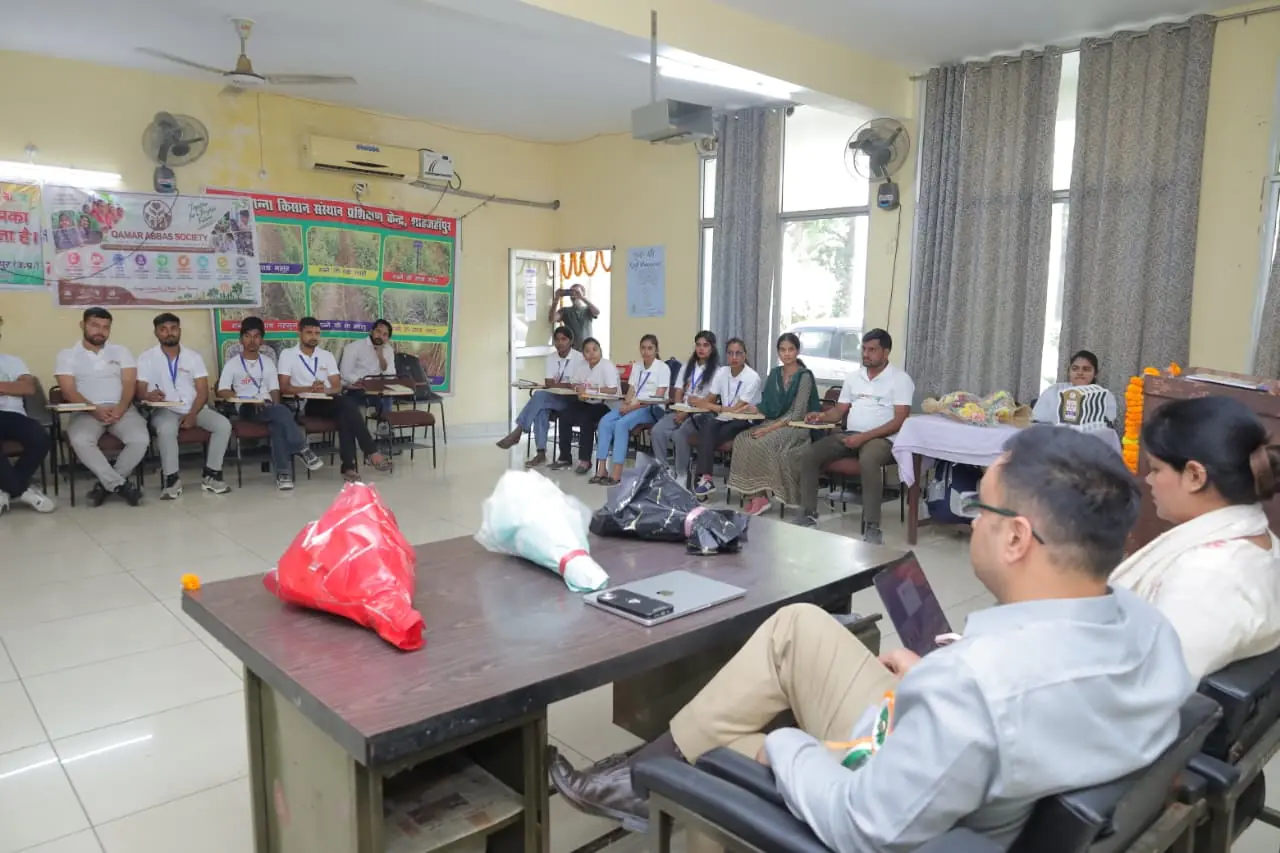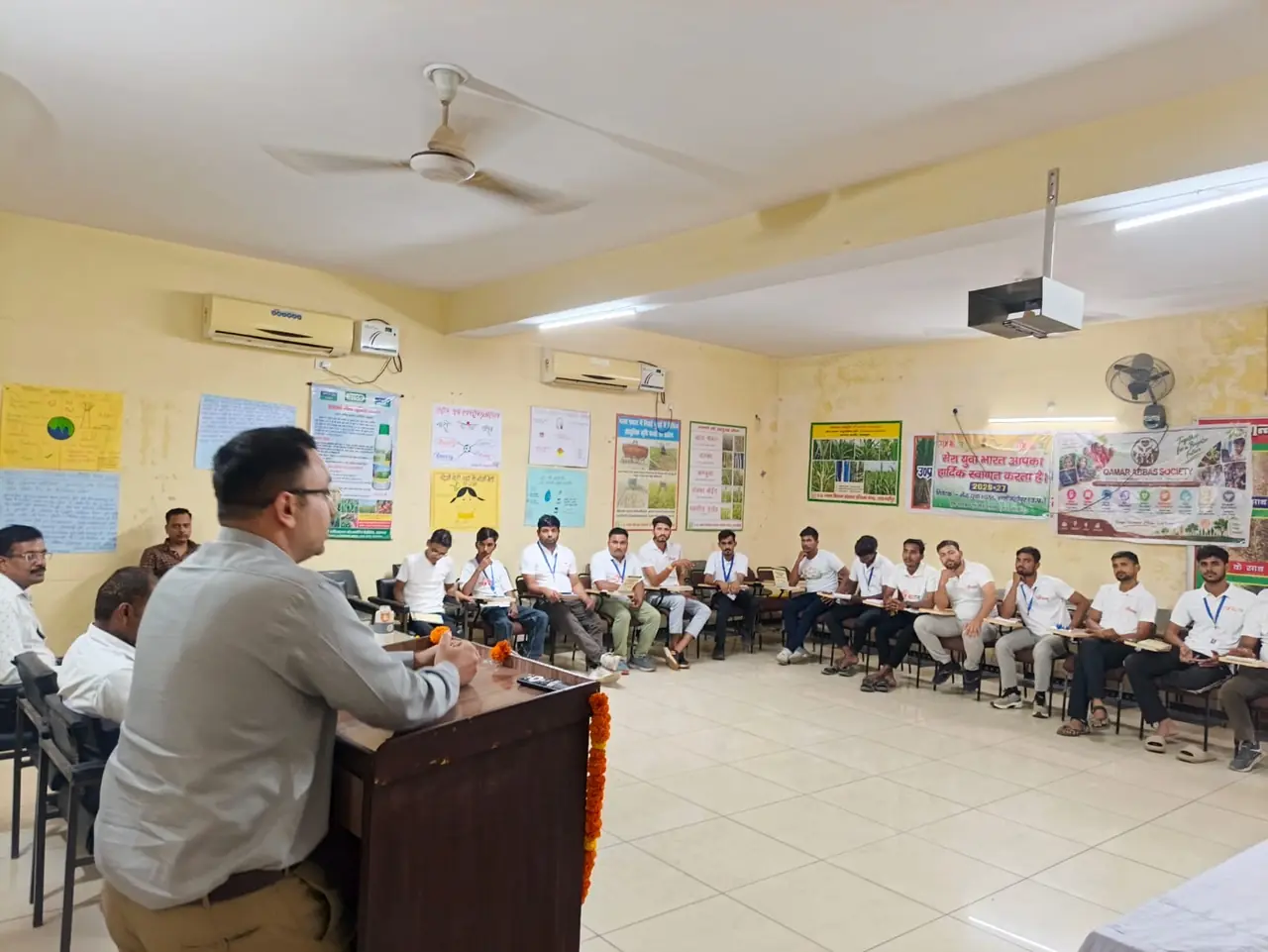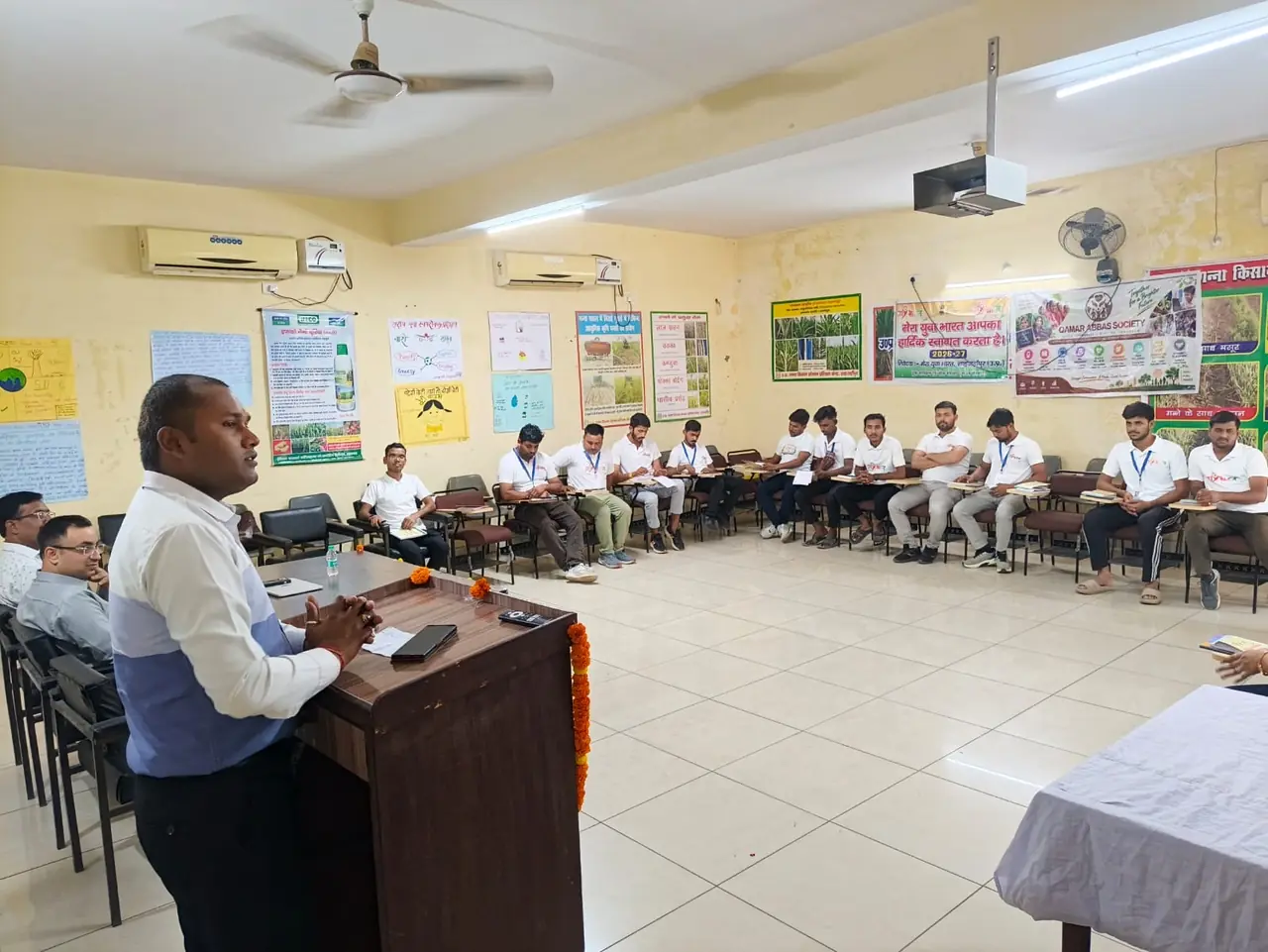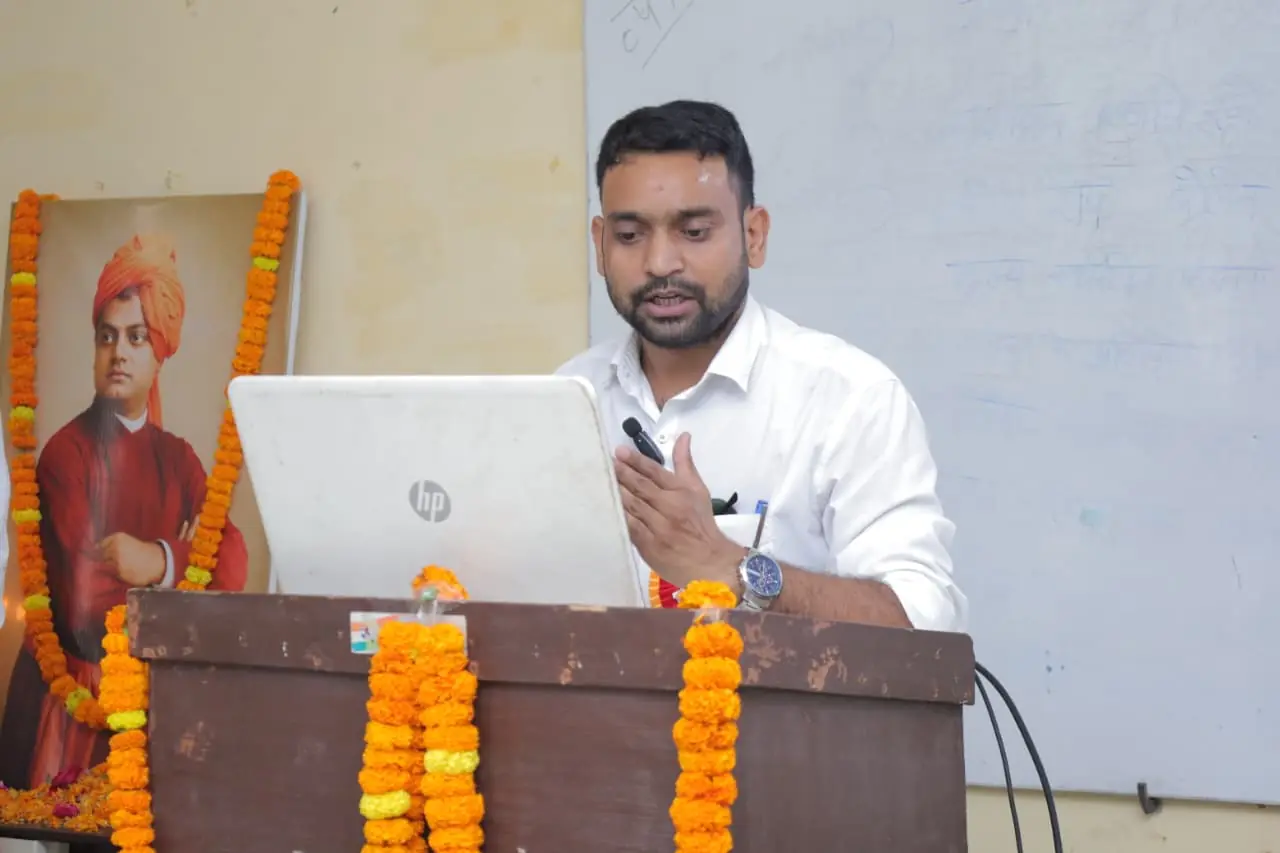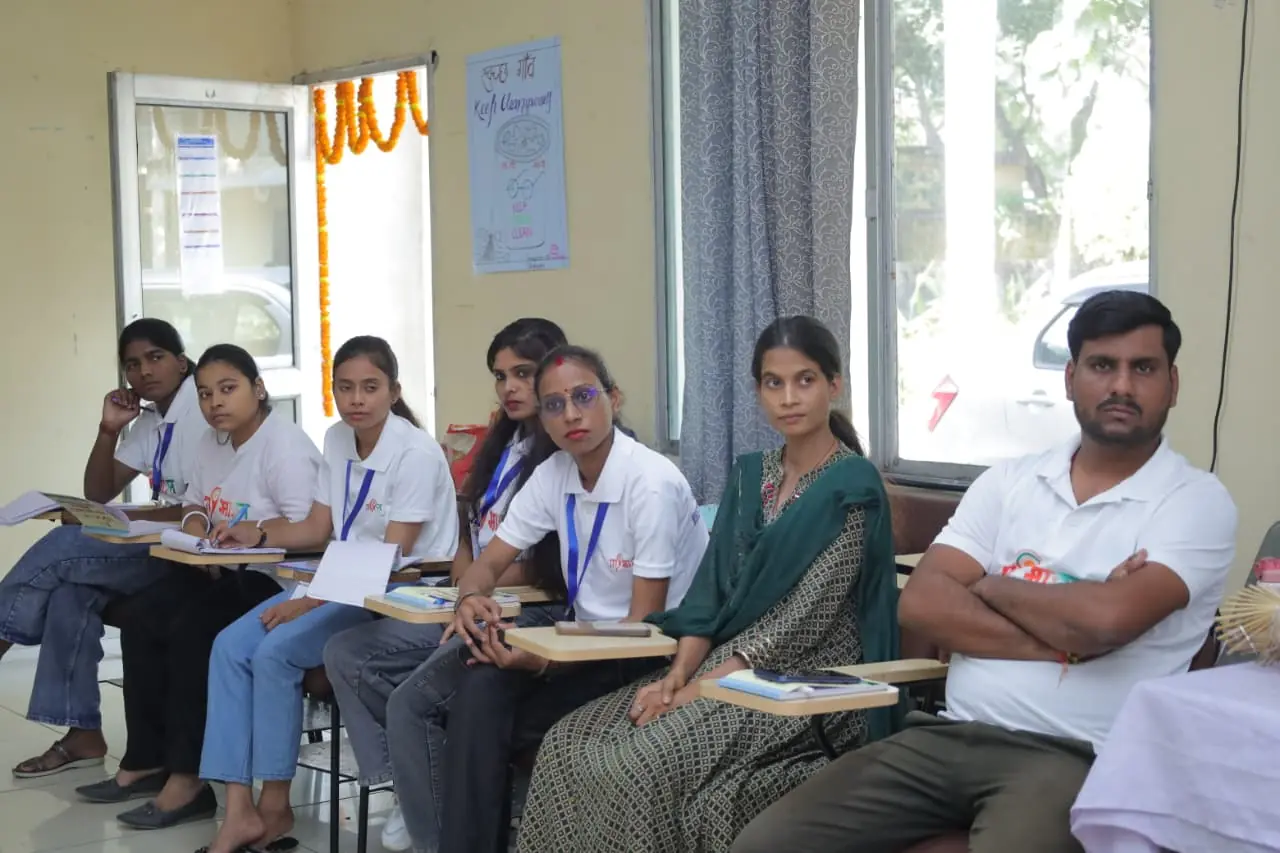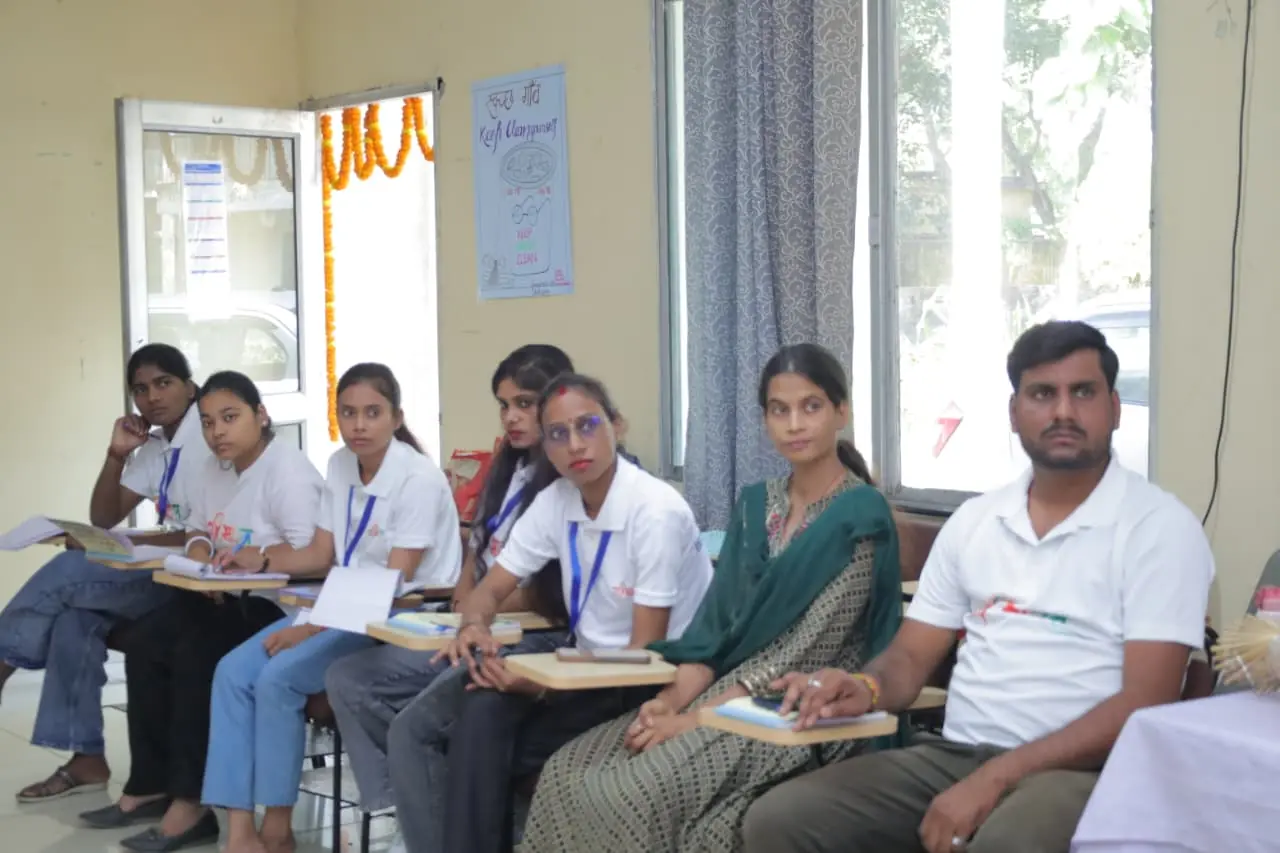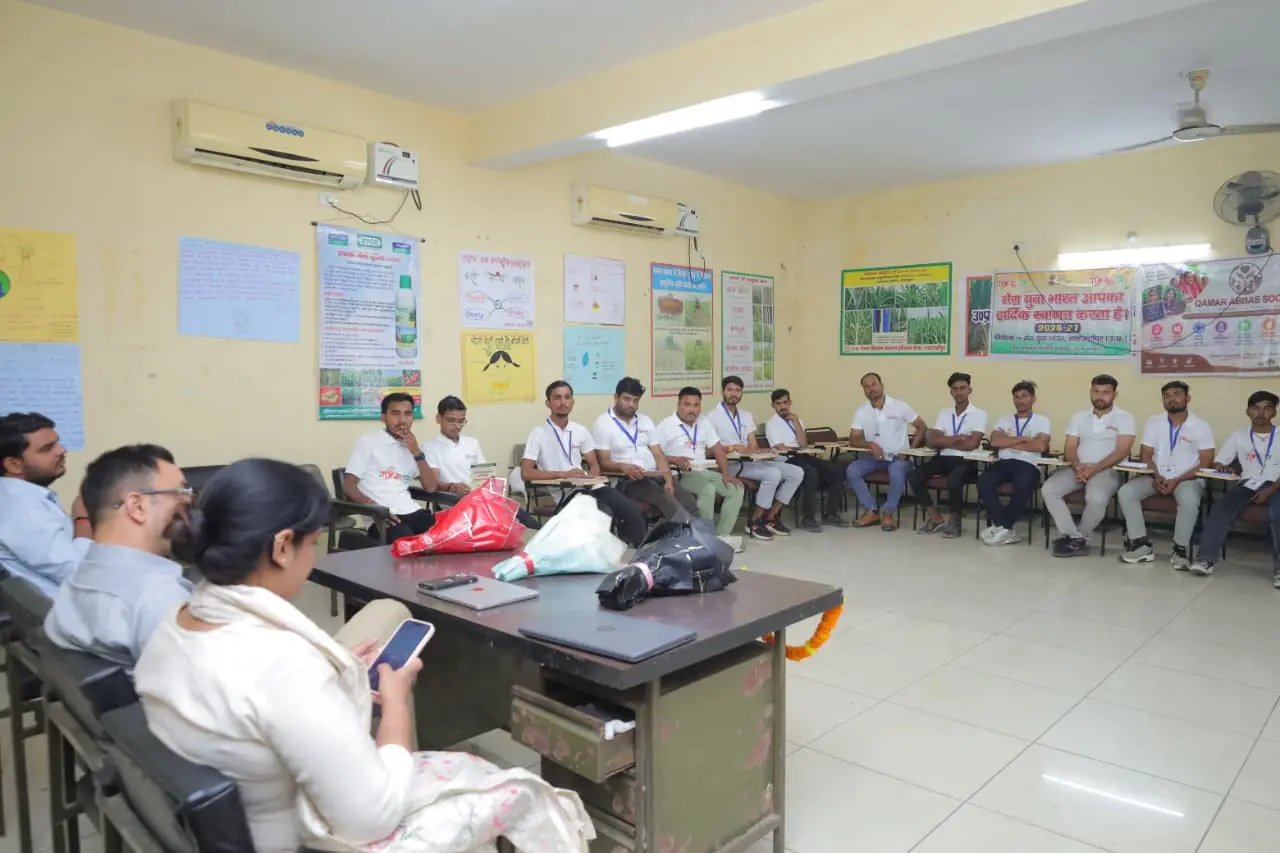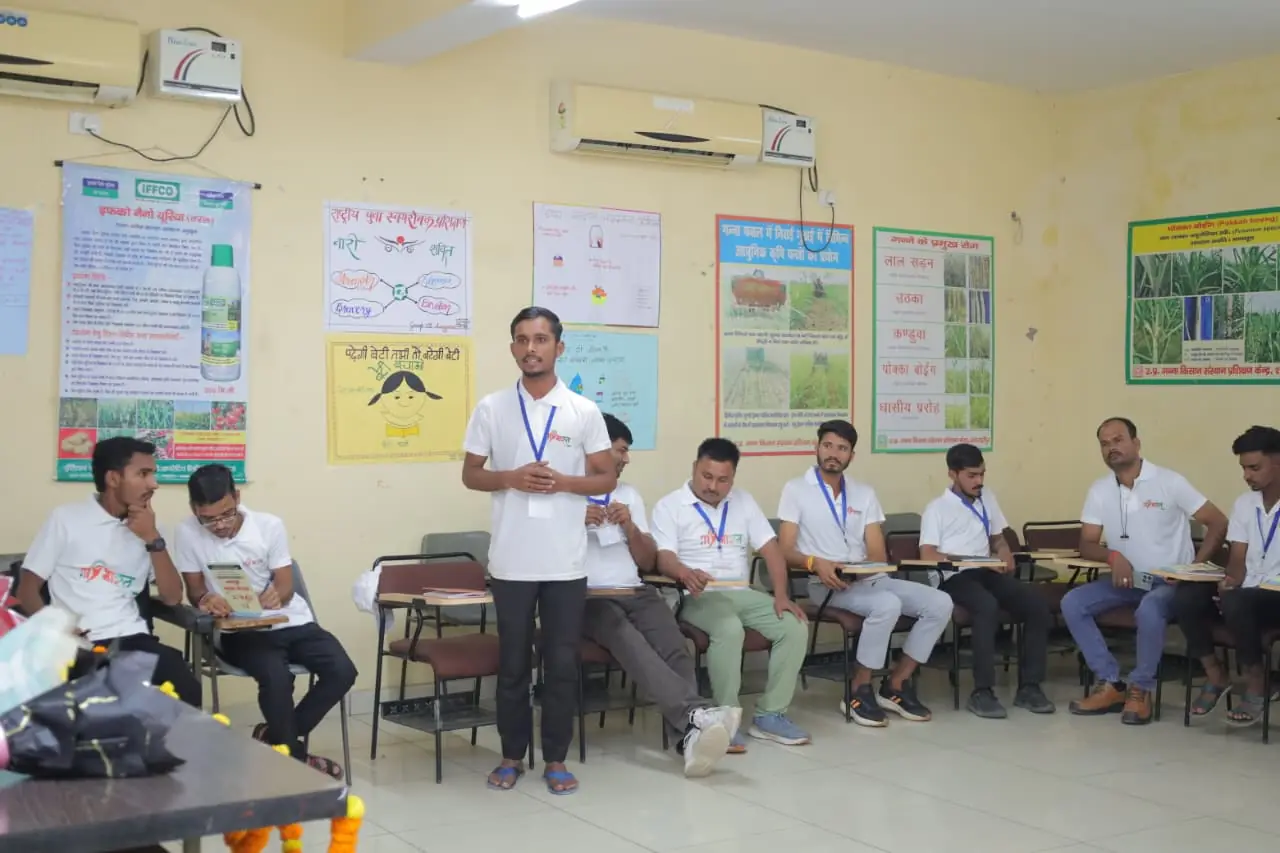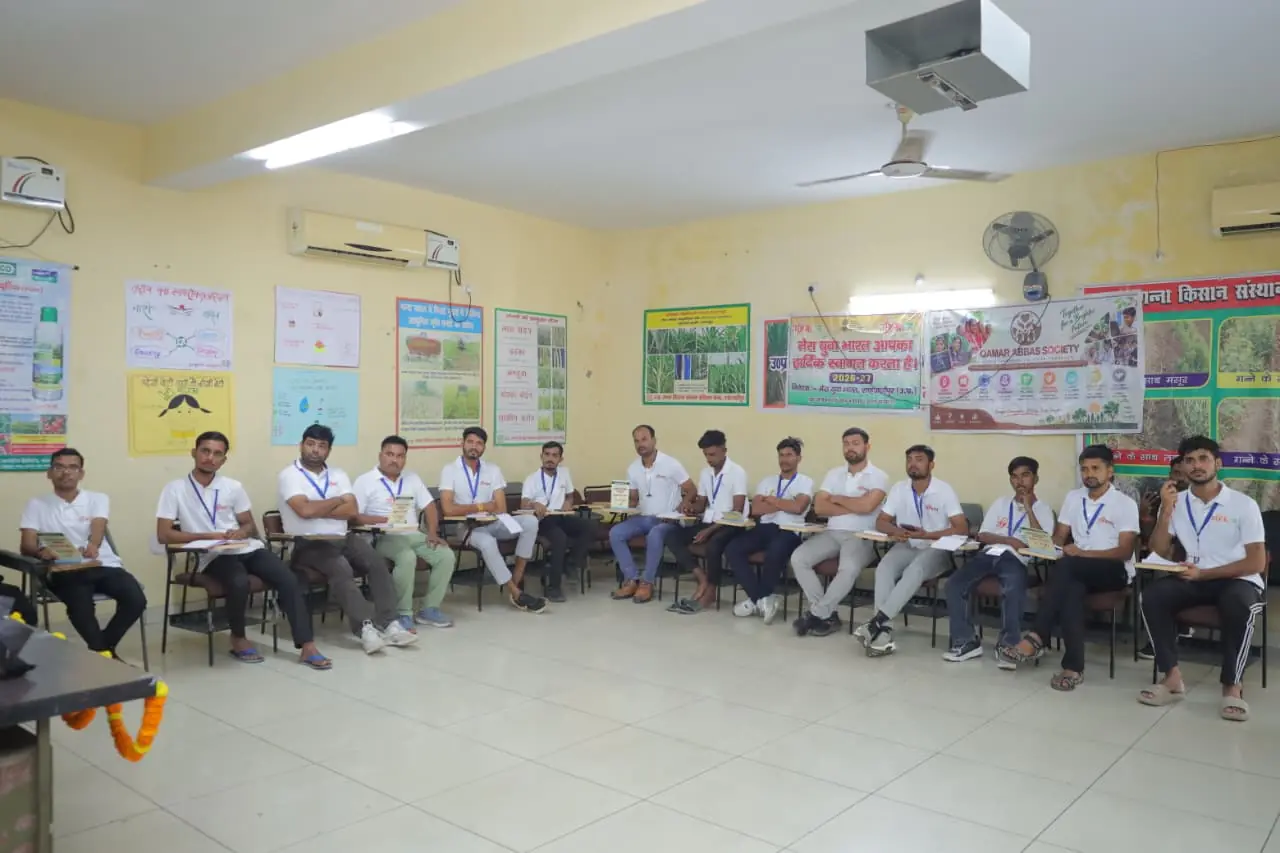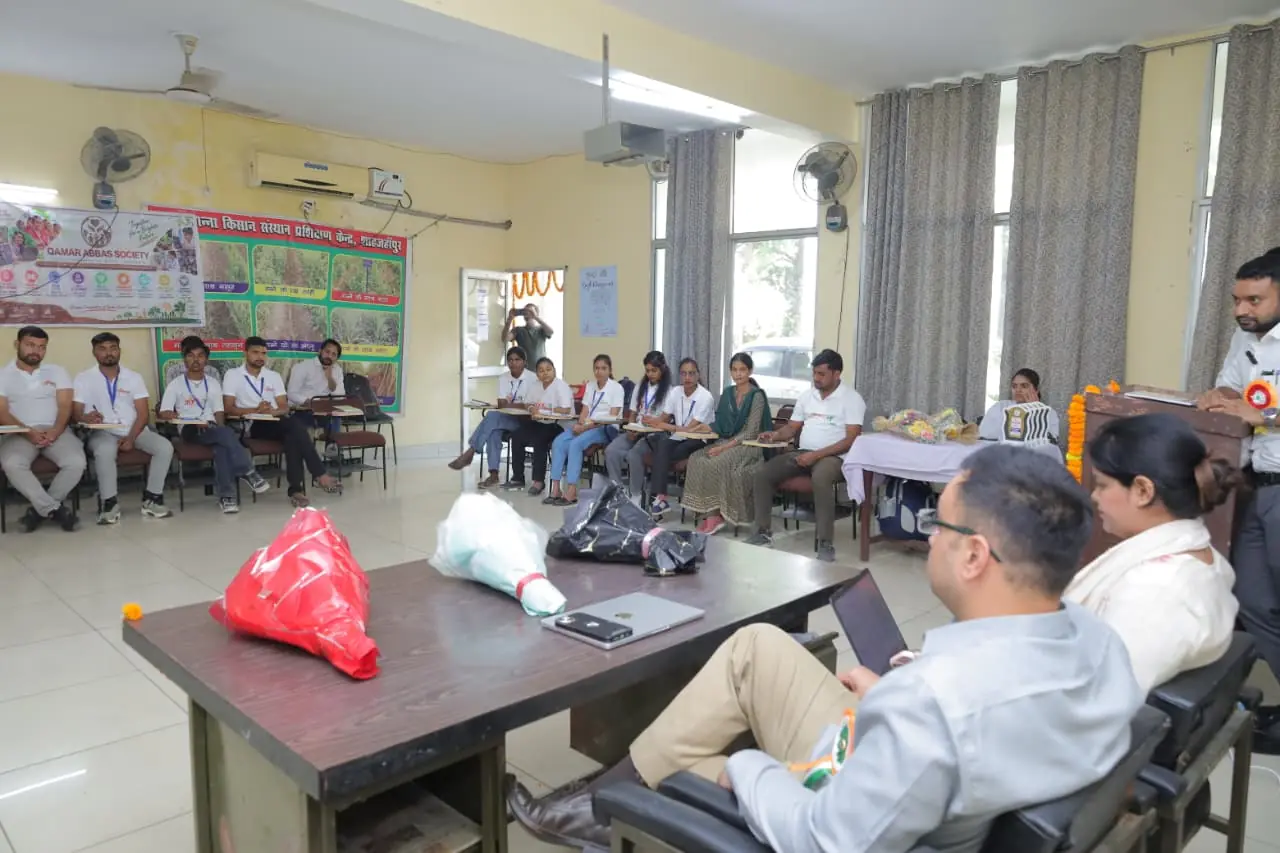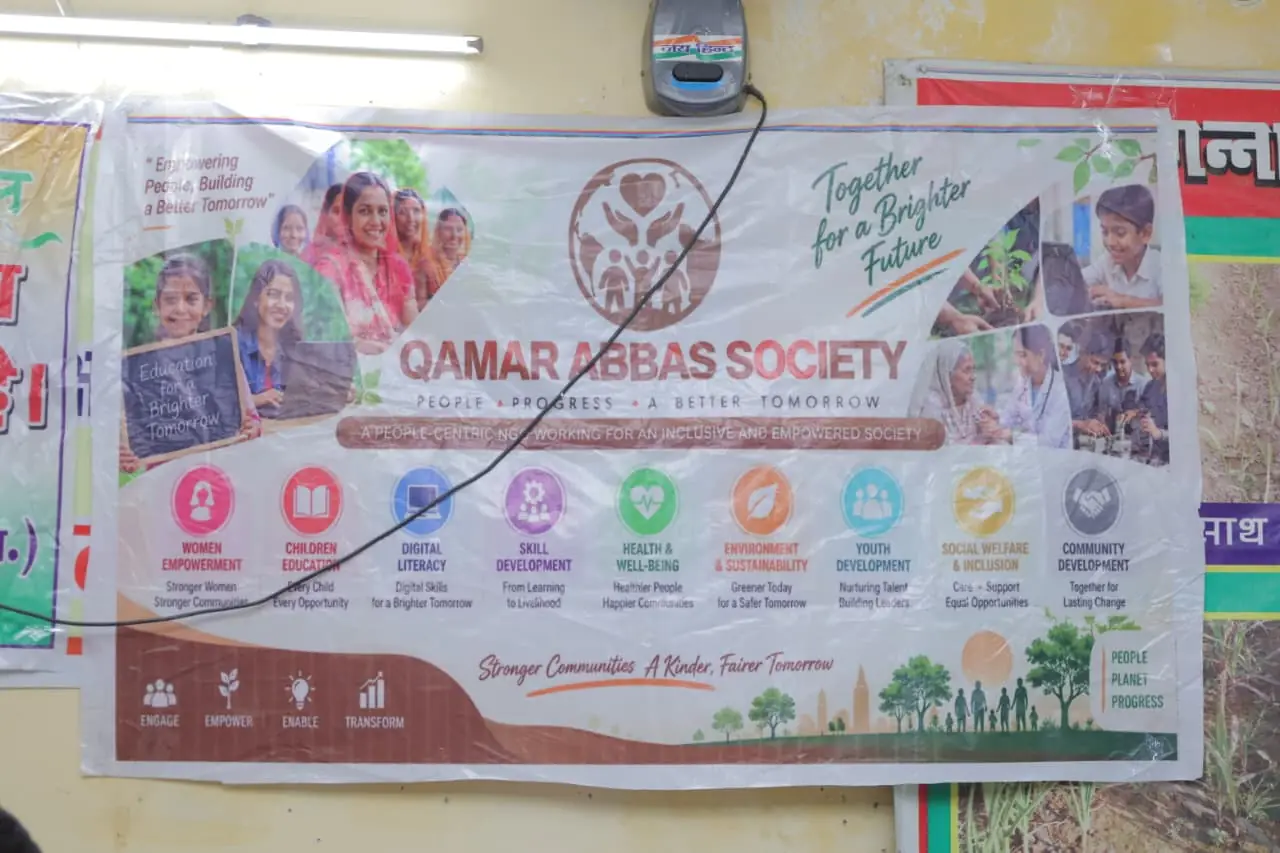
Shahjahanpur: Recognising that meaningful social transformation requires not merely enthusiasm but also knowledge, technical understanding and the ability to translate ideas into action, Qamar Abbas Society organised a comprehensive capacity-building and training programme for youth volunteers in Shahjahanpur.
The programme was designed with the objective of transforming enthusiastic young volunteers into informed, responsible and capable grassroots development facilitators. It focused on introducing participants to the diverse dimensions of social development, the functioning of voluntary organisations, government welfare initiatives, international development priorities, community mobilisation, digital literacy and the practical mechanisms through which development projects are planned, implemented and monitored.
The underlying philosophy of the training was that youth participation in nation-building must go beyond participation in occasional events and awareness rallies. Young people must understand the social challenges surrounding them, become familiar with institutional mechanisms designed to address those challenges and acquire the skills necessary to work effectively with communities, government departments and civil society organisations.
Through a series of thematic sessions, volunteers were introduced to several important areas of development work that constitute the core activities of NGOs, voluntary organisations, international development institutions and government-supported social welfare programmes.
Gender Equality and Women's Empowerment: Building a More Inclusive Society
One of the important components of the programme focused on gender equality, women's empowerment and the need to create a society in which opportunities, dignity, participation and access to resources are not determined by gender.
The session familiarised volunteers with the social and institutional dimensions of gender discrimination, the importance of equal educational opportunities, women's participation in decision-making, financial independence, gender-sensitive behaviour and the elimination of harmful social practices.
Special emphasis was placed on the role young volunteers can play in challenging gender stereotypes, encouraging girls' education, promoting awareness about women's rights, discouraging child marriage and facilitating conversations about women's safety and dignity within communities.
The discussion was connected with the Government of India's Mission Shakti, an umbrella initiative for women's safety, security and empowerment, which includes interventions such as Beti Bachao Beti Padhao, One Stop Centres, Women Helplines and other empowerment-related services.
The volunteers were encouraged to understand that gender equality is not merely a women's issue; it is a fundamental requirement for the development of families, communities and the nation.
The subject also has significant international relevance. Gender equality is recognised as Sustainable Development Goal 5 (SDG 5) under the United Nations 2030 Agenda, which calls for ending discrimination against women and girls and ensuring their equal participation in social, economic and political life.
Child Education, Child Rights and Protection
Another major area of learning was child education, holistic child development and the protection of children's rights.
The sessions highlighted the importance of universal access to education, school enrolment, retention, foundational literacy and numeracy, prevention of school dropouts, inclusive education and the creation of safe and supportive learning environments.
Volunteers were sensitised to the fact that a child's development cannot be understood solely through school enrolment. Proper nutrition, emotional well-being, protection from exploitation, access to healthcare and a supportive family and community environment are equally important.
The training also introduced the participants to the importance of identifying vulnerable children, understanding the challenges faced by children from economically disadvantaged households and facilitating their access to appropriate educational and protection services.
Reference was made to the Government's child welfare and protection priorities, particularly Mission Vatsalya, which seeks to strengthen the child protection ecosystem, support children in difficult circumstances and improve institutional and community-based mechanisms for their care, protection and rehabilitation.
The importance of child protection institutions, Child Welfare Committees, District Child Protection Units and the Child Helpline 1098 was discussed as part of understanding the institutional support structure available to children.
At the international level, these priorities closely correspond with the work of UNICEF and Sustainable Development Goal 4, which seeks to ensure inclusive and equitable quality education and promote lifelong learning opportunities for all.
The volunteers were encouraged to appreciate that ensuring that every child gets an opportunity to learn, grow and live with dignity is not simply an act of charity; it is an investment in the future of society.
Health, Hygiene, Sanitation and Community Well-being
The training also covered public health, personal hygiene, sanitation and preventive healthcare, highlighting the importance of awareness and behavioural change at the grassroots level.
Participants were introduced to the significance of handwashing, personal cleanliness, safe drinking water, menstrual hygiene management, proper sanitation practices, waste disposal, environmental cleanliness and the prevention of communicable diseases.
The sessions emphasised that many public health challenges can be addressed more effectively when communities are equipped with the right information and encouraged to adopt healthy practices.
Volunteers were familiarised with the role of community-based organisations in spreading awareness, mobilising citizens and strengthening the last-mile reach of public health initiatives.
In this context, the discussions connected community-level interventions with important national programmes such as:
- Swachh Bharat Mission: Promoting sanitation, cleanliness, hygiene and community participation.
- Jal Jeevan Mission: Encouraging awareness about safe drinking water and sustainable water management.
- Saksham Anganwadi and POSHAN 2.0: Promoting maternal and child nutrition, early childhood development and nutrition awareness.
- National Health Mission: Strengthening preventive healthcare, maternal and child health, adolescent health and community-level interventions.
- National Tuberculosis Elimination Programme: Supporting awareness, stigma reduction and community participation in the fight against tuberculosis.
Particular attention was given to the importance of nutrition among children, adolescent girls and women, prevention of anaemia, balanced diets and the development of healthy habits.
The volunteers were encouraged to understand that health awareness is not limited to hospitals and medical institutions. It begins within households, schools, neighbourhoods and villages.
Understanding Government Schemes and Development Programmes
A significant component of the training involved familiarising volunteers with the architecture of government welfare schemes and the ways in which voluntary organisations can contribute to their implementation.
Participants were introduced to the functioning of different government departments, the objectives of welfare programmes, beneficiary identification, community outreach, awareness generation, institutional coordination and the importance of connecting eligible citizens with relevant services.
The training emphasised that government schemes can achieve their intended objectives only when their benefits reach the last person in the delivery chain.
Volunteers were encouraged to develop an understanding of important programmes relating to women and children, education, health, sanitation, nutrition, skill development, rural development, environmental sustainability, social inclusion and youth empowerment.
The broader objective was to familiarise them with the relationship between government policy and grassroots implementation.
A particular emphasis was placed on the fact that NGOs and voluntary organisations can serve as important partners in development by undertaking awareness campaigns, supporting community mobilisation, providing training, conducting local assessments, facilitating referrals, documenting challenges and assisting institutions in reaching underserved populations.
The volunteers were encouraged to look at government schemes not merely as information to be memorised, but as opportunities to identify real problems in their communities and contribute to their resolution.
Understanding the Role of NGOs and Civil Society Organisations
An especially important dimension of the training was an introduction to the functioning, responsibilities and operational mechanisms of Non-Governmental Organisations (NGOs), voluntary organisations and community-based institutions.
The sessions explained how professional NGOs identify social problems, assess community needs, formulate project proposals, establish measurable objectives, mobilise resources, engage stakeholders, implement activities and evaluate outcomes.
The volunteers were introduced to the broader developmental responsibilities of civil society organisations, including:
- Education and literacy promotion.
- Women's empowerment and gender equality.
- Child rights and child protection.
- Public health, hygiene and sanitation.
- Nutrition and food security.
- Skill development, employability and livelihood promotion.
- Environmental conservation and climate awareness.
- Rural development and community infrastructure.
- Digital literacy and financial awareness.
- Social inclusion and the welfare of disadvantaged communities.
- Awareness about constitutional values, citizenship and legal rights.
- Community mobilisation and disaster preparedness.
The training highlighted that modern NGOs are not merely organisations that distribute relief materials or organise occasional social events. They increasingly function as development partners, research and advocacy institutions, implementing agencies, capacity-building organisations and facilitators of community-level change.
Participants were also introduced to the importance of project documentation, organisational governance, financial accountability, utilisation certificates, audit reports, monitoring mechanisms, impact assessment and transparent reporting.
This aspect of the programme was particularly significant because the ability of an organisation to demonstrate measurable social impact is essential for building institutional credibility and establishing long-term partnerships.
International Organisations and the United Nations Sustainable Development Goals
The programme also familiarised participants with the larger international development framework within which contemporary social welfare and community development initiatives operate.
The volunteers were introduced to the United Nations Sustainable Development Goals (SDGs), comprising 17 interconnected goals adopted under the 2030 Agenda for Sustainable Development.
These goals provide an internationally recognised framework for addressing poverty, inequality, education, health, gender discrimination, environmental sustainability and institutional development.
Particular relevance was drawn to the following goals:
- SDG 1 – No Poverty: Working towards the eradication of poverty and improving the lives of vulnerable communities.
- SDG 2 – Zero Hunger: Improving nutrition and ensuring food security.
- SDG 3 – Good Health and Well-being: Promoting preventive healthcare and healthy lifestyles.
- SDG 4 – Quality Education: Ensuring inclusive and equitable education.
- SDG 5 – Gender Equality: Empowering women and girls.
- SDG 6 – Clean Water and Sanitation: Ensuring access to clean water, hygiene and sanitation.
- SDG 8 – Decent Work and Economic Growth: Promoting skills, livelihoods and productive employment.
- SDG 10 – Reduced Inequalities: Addressing social and economic disparities.
- SDG 13 – Climate Action: Encouraging environmental awareness and sustainable practices.
- SDG 16 – Peace, Justice and Strong Institutions: Promoting accountable and inclusive institutions.
- SDG 17 – Partnerships for the Goals: Strengthening collaboration between governments, civil society, communities and development organisations.
The participants were also introduced to the broad thematic areas of work undertaken by international development organisations such as UNICEF, UN Women and other United Nations agencies.
These organisations work across interconnected areas such as child protection, education, women's empowerment, healthcare, nutrition, water and sanitation, environmental sustainability and social inclusion.
The discussion helped volunteers understand that many activities undertaken at the village and district levels are directly connected to larger national and international development priorities.
It also highlighted the importance of adopting established development practices, using measurable indicators and designing interventions that contribute to long-term social outcomes.
The central message was that local action can contribute to global development objectives, and that even a small community-level intervention can become part of a much larger movement towards a more equitable and sustainable world.
Understanding Government Grants, CSR and Development Partnerships
The training also introduced participants to an important but often less understood aspect of the social development sector: the financial and institutional mechanisms through which development organisations mobilise resources.
The volunteers were familiarised with the fact that government departments, public institutions, corporate entities and international development organisations support different social development priorities through structured programmes, grants, partnerships and project-based interventions.
The discussion covered the importance of identifying relevant funding opportunities, understanding eligibility conditions, preparing concept notes and detailed project proposals, developing realistic budgets, establishing measurable outcomes and maintaining proper financial documentation.
The training highlighted several areas that have significant policy relevance and potential avenues for institutional collaboration.
These include:
- Education and child development: Educational support, foundational literacy, school retention, digital education, child welfare and inclusive learning.
- Women empowerment and gender equality: Women's leadership, gender sensitisation, protection from violence, adolescent girls' development and economic empowerment.
- Health and nutrition: Preventive healthcare, maternal and child health, nutrition awareness, anaemia prevention, disease awareness and community health initiatives.
- Water, sanitation and hygiene: Community cleanliness, menstrual hygiene awareness, safe drinking water, sanitation infrastructure awareness and behavioural change campaigns.
- Skill development and employment: Vocational education, digital literacy, entrepreneurship, livelihood development and employability enhancement.
- Environmental protection: Climate awareness, biodiversity, water conservation, waste management, sustainable agriculture and environmental restoration.
- Rural and community development: Community infrastructure, social inclusion, poverty alleviation and the welfare of disadvantaged groups.
The programme introduced participants to the potential relevance of the Government's NGO Partnership System under the Department of Youth Affairs, which enables voluntary organisations to access information about grant schemes of the Department, submit applications and track their status.
The importance of NITI Aayog's NGO Darpan portal was also discussed. The Darpan Unique Identification Number is mandatory for non-profit organisations seeking grants from Ministries and Departments of the Government of India.
Similarly, participants were familiarised with the Corporate Social Responsibility framework under Section 135 and Schedule VII of the Companies Act, 2013. The framework recognises several areas relevant to social development, including education, healthcare, sanitation, gender equality, environmental sustainability, livelihood enhancement and rural development.
The objective was to help volunteers understand that a well-designed social initiative can potentially be developed into a structured project capable of attracting institutional support, subject to the relevant eligibility conditions, selection procedures and approval mechanisms.
The training emphasised that funding must always be accompanied by accountability, transparent utilisation of resources and evidence of actual impact.
Digital Literacy, Internet Operations and Data Management
In the present era, digital competence has become an essential requirement for the effective functioning of development organisations.
Recognising this, the programme also included an orientation on internet operations, online information systems, digital resources, data management and the use of technology in the implementation and monitoring of social welfare initiatives.
Participants were introduced to the importance of accessing official government websites, locating reliable information about schemes, understanding online application procedures, navigating relevant portals and maintaining accurate digital records.
The sessions covered the significance of systematic data collection, beneficiary information management, programme-wise records, registration details, attendance records, activity reports and the preparation of digital documentation.
Particular emphasis was laid on the importance of accurate data. In development work, data is not merely a numerical record; it is the foundation upon which needs are assessed, resources are planned, interventions are designed and outcomes are evaluated.
The volunteers were encouraged to appreciate the importance of:
- Collecting authentic and verifiable field information.
- Maintaining organised records of activities and beneficiaries.
- Using digital platforms for registrations and reporting.
- Understanding government scheme databases and online information portals.
- Preparing activity-wise and programme-wise reports.
- Maintaining photographs, supporting documents and other evidence with due regard to consent and privacy.
- Using digital tools for monitoring progress and measuring results.
- Avoiding misinformation, duplication and inaccurate reporting.
The participants were also oriented towards the importance of digital platforms for youth engagement, volunteering opportunities and experiential learning.
The session underscored that a modern social worker must be comfortable not only with people and communities but also with computers, the internet, digital documentation and data-based decision-making.
Community Mobilisation, Project Planning and Social Impact Assessment
Another important learning area was the practical process of converting a social objective into an implementable community development project.
The volunteers were introduced to the importance of identifying local problems, conducting preliminary surveys, understanding the needs of different population groups and developing appropriate interventions.
The sessions highlighted that successful social work requires proper planning, defined objectives, clear responsibilities and measurable results.
For instance, an initiative aimed at improving educational outcomes must go beyond organising an awareness rally. It should ideally identify children who are out of school, understand the reasons behind their absence, coordinate with parents and relevant institutions, facilitate appropriate support and periodically assess the results.
Similarly, a hygiene campaign should aim to bring about sustained behavioural changes rather than remain confined to a one-day cleanliness activity.
Participants were therefore sensitised to the concepts of baseline assessment, target setting, implementation planning, monitoring, evaluation and impact documentation.
The importance of coordination with district administration, educational institutions, local bodies, health departments, Panchayati Raj Institutions, community leaders and other civil society organisations was also highlighted.
The programme encouraged volunteers to develop a collaborative approach to social development, recognising that complex community problems cannot be resolved through isolated efforts.
Preparing Youth for Leadership and Nation-Building
The overall objective of the programme was to equip youth volunteers with a broader understanding of their responsibilities as young citizens and community-level change-makers.
The training organised by Qamar Abbas Society introduced volunteers to the practical dimensions of development work and the functioning of institutions engaged in addressing social challenges.
It reinforced the idea that youth volunteering must be knowledge-driven, inclusive, accountable and outcome-oriented.
A volunteer who understands the importance of gender equality can help initiate meaningful conversations within a community. A volunteer who understands child protection can help identify situations requiring appropriate institutional intervention. Someone familiar with government schemes can guide citizens towards reliable sources of information. A digitally equipped volunteer can help maintain records, document activities and support evidence-based planning.
Collectively, these capabilities can transform young volunteers into valuable contributors to local development.
A Step Towards Knowledge-Based and Sustainable Social Development
The capacity-building programme organised by Qamar Abbas Society represents an important effort towards strengthening the knowledge and institutional understanding of young volunteers in Shahjahanpur.
By bringing together themes relating to gender equality, education, health, hygiene, child protection, government welfare programmes, international development priorities, NGO operations, digital governance and project management, the programme sought to provide participants with a comprehensive understanding of the contemporary social development ecosystem.
The programme also reflected the Society's belief that social service must be supported by professional competence, systematic planning and a sustained commitment to the welfare of disadvantaged communities.
The larger message emerging from the initiative was that building a better society requires more than good intentions. It requires informed citizens, capable institutions, dedicated volunteers and partnerships that translate resources and ideas into tangible outcomes.